


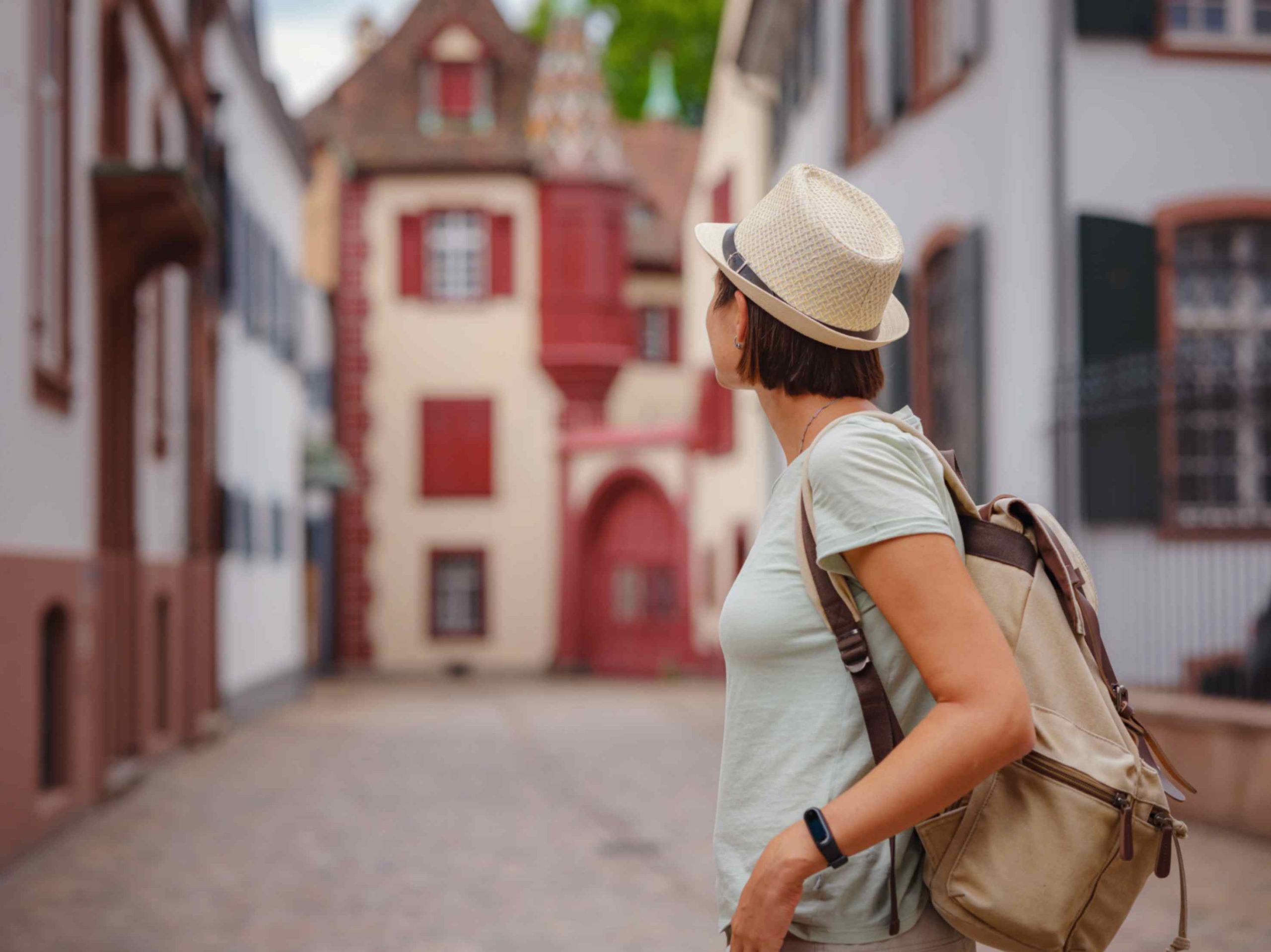
Travelling alone gives you a sense of freedom that group trips rarely offer, but it also means you are fully responsible for your own health and safety. From unexpected illness to navigating unfamiliar healthcare systems, small issues can feel much bigger when you are on your own.
That is why preparing in advance is so important. Understanding travel vaccinations for solo travellers, knowing what jabs you may need, and having a clear plan can help you stay confident and in control throughout your journey.
Why is health planning important when travelling alone?
Planning your health before a solo trip reduces risks and helps you handle unexpected situations with confidence.
When you are travelling alone, you cannot rely on a companion if you feel unwell or need support. This makes it essential to think ahead about vaccinations, medication, insurance, and access to care. Preparing early also gives you time to visit a travel clinic near me and get personalised advice based on your destination.
What travel vaccinations do solo travellers need?
The vaccinations you need depend on your destination, planned activities, and medical history.
Common travel vaccinations for solo travellers may include protection against hepatitis A, typhoid, tetanus, and in some cases, yellow fever or rabies. It is important to check current guidance before travelling, as requirements can change.
What jabs do I need while travelling solo?
The exact answer varies, but most travellers are advised to review routine UK vaccinations first.
You may also need additional protection depending on:
- The country you are visiting.
- The length of your stay.
- Whether you will be in rural or high-risk areas.
- Your planned activities such as trekking or volunteering.
Booking a consultation with our pharmacists ensures your travel health needs are assessed properly.
When should you get travel vaccinations?
You should ideally arrange vaccinations at least six to eight weeks before travel.
This allows enough time for full protection to develop. If you are travelling at short notice, last-minute appointments may still be available, but earlier planning is always safer.
How can you stay healthy while travelling alone?
Staying healthy abroad comes down to simple habits and awareness of your surroundings.
Health advice for travelling alone often focuses on prevention, as avoiding illness is far easier than managing it overseas. Small daily actions can significantly reduce your risk.
Food and water safety tips
Being cautious with food and drink can prevent common travel illnesses.
- Drink bottled or purified water if local supplies are unsafe.
- Avoid ice in areas where water quality is uncertain.
- Choose freshly cooked food over raw or undercooked meals.
- Wash or sanitise your hands regularly.
Managing your medications and health kit
Carrying essential items ensures you are prepared for minor health issues.
- Pack enough prescription medication for your entire trip.
- Keep medicines in original packaging.
- Carry a basic health kit with pain relief, plasters, and rehydration sachets.
- Bring copies of prescriptions if needed.
Protecting yourself from insect bites and sun exposure
Environmental factors can affect your health more than expected.
- Use insect repellent, especially in tropical regions.
- Wear long sleeves in mosquito-prone areas.
- Apply high-factor sunscreen regularly.
- Stay hydrated in hot climates.
What safety precautions should solo travellers take?
Being aware and prepared can help you stay safe while travelling alone.
Solo travel does not have to feel risky, but it does require a bit more awareness. Keeping friends or family informed of your plans and staying connected can provide reassurance.
Simple safety steps include:
- Sharing your itinerary with someone you trust.
- Avoiding poorly lit or unfamiliar areas at night.
- Keeping emergency contacts easily accessible.
- Using secure transport options.
Having travel insurance is also essential, as it ensures access to medical care if needed.
How can a travel clinic help before your trip?
A travel clinic provides personalised advice, vaccinations, and support tailored to your destination.
If you have been searching for a travel clinic near me, Anna Pharmacy can offer practical guidance based on your travel plans and current health risks. Our pharmacists can review your vaccination history, recommend suitable jabs, and answer any concerns before you travel.
This support helps you feel more prepared and confident before you leave the UK.
Ready to travel safely on your own?
Taking the right steps before you travel makes solo trips safer and more enjoyable.
If you are planning to travel abroad alone, it is worth getting expert advice and ensuring your vaccinations are up to date. Book an appointment at Anna Pharmacy for travel vaccinations and personalised travel health advice tailored to your trip.
FAQs
1. How far in advance should I book travel vaccinations when travelling solo?
You should book travel vaccinations at least 6 to 8 weeks before departure. This allows time for full protection and ensures you receive all required doses before travelling alone.
2. Can I travel alone without getting travel vaccinations?
Some destinations may not require vaccinations, but skipping them increases health risks. It is always recommended to check requirements and get advised by our travel clinic experts before travelling alone.
3. What documents should I carry for health safety when travelling alone?
Carry copies of your vaccination records, travel insurance details, prescriptions, and emergency contacts. Keeping both digital and printed versions ensures you can access them easily if needed.
4. What should I do if I get ill while travelling alone abroad?
If you become unwell abroad, contact local medical services, use your travel insurance, and inform someone you trust. Carrying emergency contacts and knowing nearby healthcare facilities is essential.
5. Are there specific health risks for solo travellers compared to group travel?
Solo travellers may face higher risks due to lack of immediate support. This includes delays in getting help, managing illness alone, and increased vulnerability in unfamiliar environments.
6. Do I need different travel insurance when travelling alone abroad?
You do not need different insurance, but solo travellers should ensure their policy includes medical cover, emergency assistance, and repatriation, as they cannot rely on others during emergencies.