


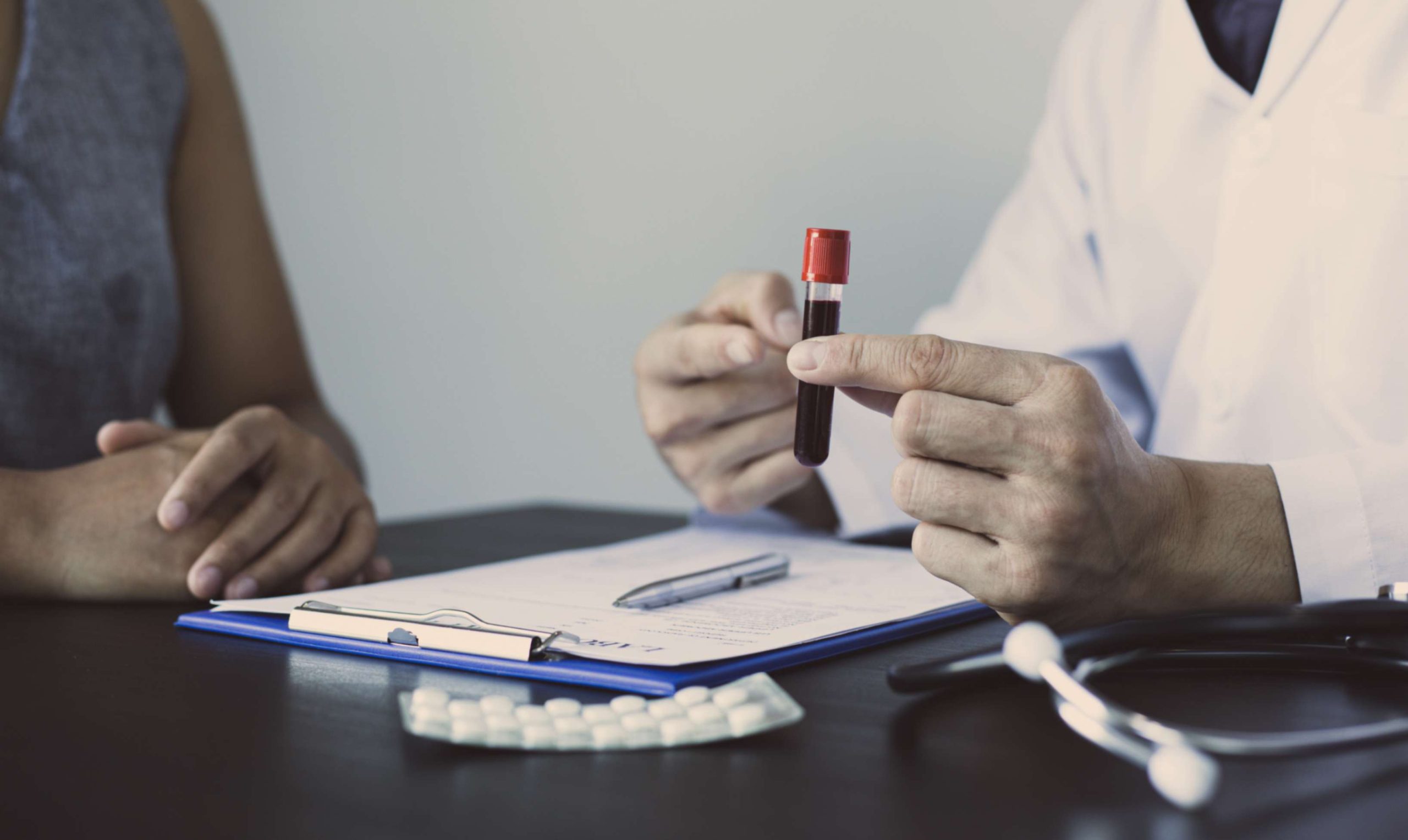
A TSH blood test is one of the most commonly requested thyroid tests in the UK. Whether your GP has referred you or you are considering booking privately, it helps to understand exactly what the test is checking and what your numbers mean once the results arrive.
What is thyroid-stimulating hormone?
TSH stands for thyroid-stimulating hormone. It is produced by the pituitary gland, a small structure at the
base of the brain, and its role is to signal the thyroid gland to produce two hormones: T3 triiodothyronine) and T4 (thyroxine).
The thyroid sits in the front of your neck and regulates metabolism, energy, heart rate, body temperature
and mood. When it is working properly, TSH stays within a predictable range. When something goes
wrong, TSH is usually the first marker to shift. That is why it is the standard starting point for investigating
thyroid problems.
Think of it as a feedback loop. If the thyroid is underproducing, the pituitary releases more TSH to push it
harder. If the thyroid is overproducing, TSH drops because the pituitary detects that less stimulation is
needed.
What does a TSH test actually measure?
A TSH test measures the concentration of thyroid-stimulating hormone in your blood at a single point in
time. It is not a direct measure of how well your thyroid is functioning, but it is a reliable indicator of whether the thyroid and pituitary are communicating as expected.
A standard TSH test is usually the first step your GP takes. A full thyroid panel goes further and may include:
- TSH — the primary screening marker
- Free T4 (FT4) — the main hormone the thyroid produces
- Free T3 (FT3) — the active form of thyroid hormone used by the body’s cells
- Thyroid antibodies — checked if autoimmune thyroid disease, such as Hashimoto’s, is suspected
At Anna Pharmacy, a full thyroid blood test includes TSH, free T4, and free T3, giving a more complete
picture of thyroid function than a TSH reading alone. No GP referral is required and results are typically
available within a few days.
What is a normal TSH level in the UK?
Normal TSH ranges vary slightly between laboratories. Most NHS laboratories and the British Thyroid
Association use a reference range of approximately 0.4 to 4.0 mIU/L for adults, though some set the upper limit marginally higher.
| TSH result | What it may indicate |
| Below 0.4 mIU/L | May suggest an overactive thyroid (hyperthyroidism) or TSH suppression from medication |
| 0.4 – 4.0 mIU/L | Generally within the normal range for most adults |
| Above 4.0 mIU/ | May suggest an underactive thyroid (hypothyroidism) |
| Above 10.0 mIU/L | Often indicates significant hypothyroidism and is likely to prompt treatment discussion with your GP |
A result slightly outside the reference range does not automatically mean you have a thyroid condition. TSH levels shift with time of day, recent illness, stress, pregnancy and certain medications. Results must
always be interpreted in the context of your symptoms and medical history.
A note on pregnancy: TSH reference ranges are lower during pregnancy than for the general adult
population. If you are pregnant or trying to conceive and have concerns about thyroid function, speak to
your GP or midwife. Thyroid monitoring in pregnancy is managed through NHS antenatal care.
What symptoms suggest you might need a TSH test?
Thyroid problems are more common than many people realise. Around one in 20 people in the UK has
some form of thyroid disorder, according to the British Thyroid Foundation, and many go undiagnosed for
years. A TSH test is a straightforward way to investigate whether the thyroid could be contributing to your
symptoms.
Signs of an underactive thyroid (hypothyroidism) may include:
- Persistent tiredness or fatigue that sleep does not relieve
- Unexplained weight gain
- Feeling cold more than usual
- Dry skin, brittle nails or thinning hair
- Low mood, brain fog or difficulty concentrating
- Constipation and a slowed heart rate
Signs of an overactive thyroid (hyperthyroidism) may include - Unexplained weight loss despite a normal or increased appetite
- Heart palpitations or a fast, irregular heartbeat
- Anxiety, irritability or nervousness
- Feeling unusually warm or sweating more than usual
- Trembling hands and difficulty sleeping
These symptoms overlap with many other conditions. A blood test is a more reliable starting point than a
symptom assessment alone, which is why most GPs begin with a TSH check.
Do you need to prepare for a TSH blood test?
For most people, no special preparation is required before a TSH test. Unlike some blood tests, you do not need to fast beforehand.
- Time of day matters. TSH levels are naturally higher in the morning and tend to dip in the afternoon.
Most guidelines recommend testing before 10am for the most consistent results. At Anna Pharmacy,
we recommend morning appointments where possible. - Biotin supplements. High-dose biotin (vitamin B7) can interfere with TSH assays, producing falsely low
readings. Stop biotin supplements at least 72 hours before your test. - Thyroid medication. If you are already on levothyroxine, your GP or pharmacist will advise whether to
take your dose before or after the test. In most cases, it is recommended to take the test before your
morning dose. - Recent illness. A significant illness can temporarily affect TSH levels. Mention any recent illness when
you book your test.
How to get a TSH blood test without a GP referral
You can access a private TSH blood test at Anna Pharmacy without needing a referral from your GP. This
is useful if you are waiting for an NHS appointment, want results sooner, or simply prefer to manage your
own health proactively.
A full thyroid panel at Anna Pharmacy covers TSH, free T4 and free T3. One of our pharmacists can help
you understand your results and advise whether follow-up with your GP is appropriate.
Private blood testing does not replace NHS care. If your results suggest a thyroid condition, your GP
should be involved in any decisions about diagnosis and treatment.
What is a normal TSH level in the UK?
For most adults, a normal TSH level falls between 0.4 and 4.0 mIU/L, though the exact range varies between NHS laboratories. Results outside this range may indicate an underactive or overactive thyroid but should always be interpreted alongside your symptoms by a qualified healthcare professional.
What does a high TSH level mean?
A TSH result above the normal reference range, typically above 4.0 mIU/L, may suggest an underactive thyroid (hypothyroidism). The pituitary is producing more TSH to try to stimulate a sluggish thyroid. A persistently raised TSH alongside symptoms usually warrants a GP review.
What does a low TSH level mean?
A TSH result below the normal range may indicate an overactive thyroid (hyperthyroidism), or in people already on thyroid medication, that the dose may need adjusting. Temporarily low TSH can also result from recent illness or certain medications.
Can I get a TSH blood test without seeing a GP?
Yes. You can book a private TSH blood test at Anna Pharmacy in Carshalton or Hackbridge without a GP referral. Results are typically available within a few days, and our pharmacists can help you understand what they mean.
What is the difference between a TSH test and a thyroid function test?
A TSH test measures only thyroid stimulating hormone. A full thyroid function test, or thyroid panel, also includes free T4 and often free T3, giving a more complete picture. A full panel is generally more informative, particularly if your TSH comes back outside the normal range.
Do you need to fast before a TSH blood test?
No. You do not need to fast before a TSH blood test. However, testing before 10am is generally recommended as TSH levels are naturally higher in the morning. Stop high-dose biotin supplements at least 72 hours before your test.
How long do TSH blood test results take?
The blood draw itself takes around five to ten minutes. Private results from a pharmacy-based blood test are typically available within one to three working days, depending on the laboratory used.