
Spotting an unusual rash or crusty patches on your child’s skin can be worrying, and when impetigo takes hold, you want answers and treatment fast. Impetigo is a highly contagious bacterial skin infection, but the reassuring news is that it responds well to treatment and usually clears up quickly with the right care. At Anna Pharmacy Group, our pharmacists can assess impetigo and prescribe treatment through Pharmacy First. We have branches in Carshalton, Sutton, and Hackbridge, and we also welcome patients travelling from Cheam, Purley, Wallington, South Croydon, Mitcham, Rosehill, St Heliers, and Morden.
Impetigo treatment is available at all three Anna Pharmacy Group branches:
398 Green Wrythe Lane
Carshalton Sutton
SM5 1JF
United Kingdom
186 London Rd, Hackbridge
Wallington
SM6 7FW
United Kingdom
We also welcome patients travelling from the surrounding areas, including Sutton, Cheam, Purley, Wallington, South Croydon, Mitcham, Rosehill, St Heliers and Morden. Whichever branch is most convenient for you, our team is ready to help.
Impetigo is a bacterial skin infection caused most commonly by Staphylococcus aureus or Streptococcus pyogenes bacteria. It tends to affect skin that is already compromised in some way, whether through a minor cut, a scratch, an insect bite, or an existing skin condition such as eczema. It is particularly common in young children but can affect people of any age.
It spreads easily through direct skin contact and via shared items such as towels, bedding, and flannels, which is why it can move quickly through households and nurseries. Being contagious does not make it dangerous in most cases, but it does mean acting promptly matters.
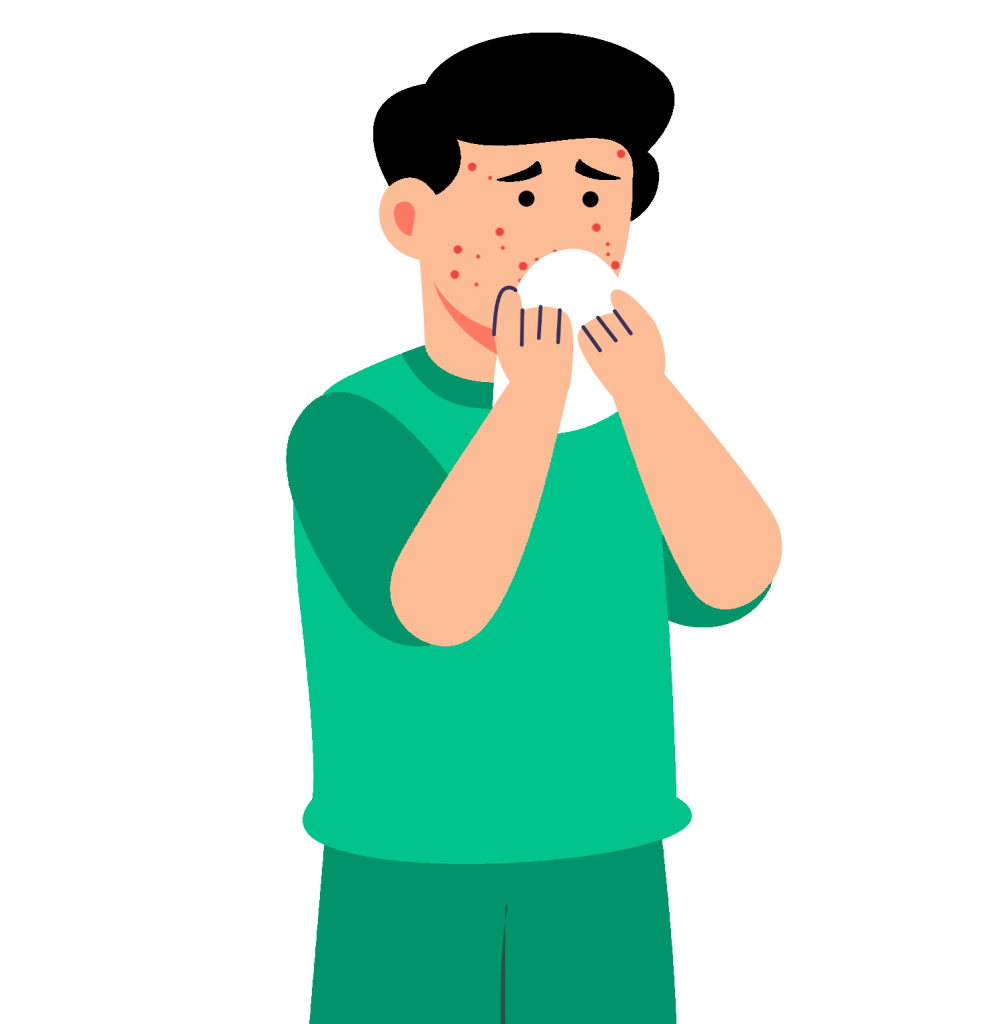
Impetigo usually begins with red or irritated patches of skin that quickly develop into sores or fluid-filled blisters. These burst and leave behind distinctive golden-brown or honey-coloured crusts that can look a little like cornflakes pressed against the skin. The patches may itch or feel sore, and they can spread to other parts of the body if not treated.
The face is one of the most commonly affected areas, particularly around the nose and mouth, though the hands and other parts of the body can be affected too.
In some cases, larger blisters develop that ooze yellow fluid before crusting over with a scaly border. This is known as bullous impetigo and tends to need prompt treatment. If you are seeing larger blisters rather than small sores, it is important to come in and get it assessed as soon as you can.
On brown or black skin, the initial redness can be much harder to see. The sores, crusting, and blisters are still present and visible, but the redness that is often described may not be obvious. If you notice unusual skin texture or crusting or your child is uncomfortable around a particular area of skin, it is worth getting it checked regardless of whether redness is visible.
Through Pharmacy First, our pharmacists can assess impetigo and prescribe treatment directly, without the need for a GP appointment. Here is what visiting us looks like:
Our pharmacist will examine the affected skin and confirm whether it is impetigo or whether it could be another condition such as cellulitis, which requires different treatment.
Depending on the type and severity of impetigo, we can prescribe hydrogen peroxide cream, antibiotic cream, or antibiotic tablets. Babies and those with a weakened immune system may need oral antibiotics to prevent the infection from spreading.
We will advise you on when it is safe to return to school, nursery, or work. Impetigo stops being contagious 48 hours after starting prescribed treatment or once patches have fully dried and crusted over if no treatment is used.
As impetigo is so contagious, a few sensible precautions make a real difference while treatment takes effect. Here is what to do and what to avoid:
Do:
Do Not: