Cholera vs Travellers’ Diarrhoea: How toTell the Difference and Stay Well Abroad

Reviewed by Anna Healthcare, GPhC-registered — 1036459 Stomach upsets are one of the most common health problems for UK travellers abroad. Most are mild cases of travellers’ diarrhoea, but some people worry about more serious illnesses such as cholera. Understanding the difference can help you prepare sensibly and know when to seek help. This guide […]
Do You Need a Cholera Vaccine Before Travelling Abroad?

When planning a trip abroad, it is important to think about travel health advice. One of the questions many people ask is whether they need the cholera vaccine in the UK before travelling abroad. Although cholera is rare, the UK Health Security Agency recorded nine travel-associated cholera cases in England, Wales and Northern Ireland in […]
How Cholera Spreads and How to Stay Protected While Travelling?
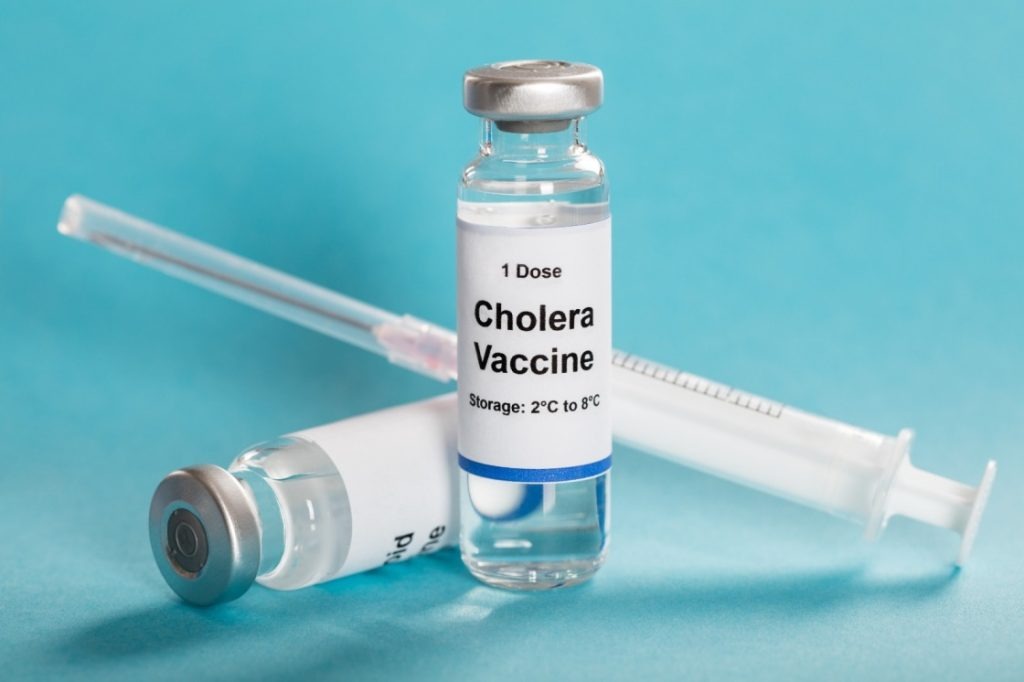
Travelling abroad can be exciting, but it also comes with health risks that are sometimes overlooked. One of these risks is cholera, a serious illness caused by contaminated water and food. Globally, cholera affects between 1.3 and 4 million people each year, resulting in up to 143,000 deaths. Understanding how cholera spreads and knowing the […]
Why Cholera Immunisation is Essential for Travellers and Locals Alike
Cholera is a serious illness caused by drinking water or eating food contaminated with a type of bacteria called Vibrio cholerae. It spreads easily, especially in places where clean water and proper sanitation are hard to find. Although cholera is rare in the UK, it is still a risk when travelling to certain parts of […]
Why Is Cholera More Common in Spring? Expert Insights & Prevention

Cholera is a serious illness that causes severe diarrhoea and dehydration. It is spread through contaminated food and water. Though it can happen at any time of the year, experts have noticed that cholera outbreaks are more common in the spring season. But why is that? Let’s understand the reasons behind this trend and what […]
Top 5 Tips For Recovery from Cholera During Travel
If travelling exposes us to new experiences, unfortunately, it also brings certain risks, like cholera. This severe diarrhoeal disease, which you can catch from contaminated water or food, has the potential to ruin your dream vacation. If you’re planning a trip to areas where cholera might be common, getting a cholera vaccine can be a […]
The Cholera Vaccine: Oral vs. Injectable – Which is Right for You?
Cholera is a bacterial disease caused by the Vibrio cholerae bacteria that affects your digestive system and can cause severe watery diarrhoea that quickly leads to dehydration which is fatal in many cases. Cholera is most common in Asia and Africa. Every year, it is estimated that there are nearly 1-4 million cases of Cholera […]
Oral Cholera Vaccines: A Game-Changer in Preventing Cholera Outbreaks

Cholera is an infectious gastrointestinal disease that can quickly become life-threatening if it’s not treated fast. This acute diarrhoeal infection is caused by the bacteria Vibrio cholerae which is typically acquired from drinking and using contaminated water. If you will be traveling, working, or living in an area with current cholera outbreaks, the best way […]
What Is The Difference Between Diarrhoea And Cholera?
Gastrointestinal problems (aka traveller’s diarrhoea) are a common occurrence for traveller’s, especially when travelling to developing countries without adequate sanitation. There are numerous conditions and diseases that cause diarrhoea including dysentery, food poisoning, cholera, and hepatitis A. Modern sanitation systems have pretty much wiped-out cholera breakouts in most countries. But cholera still exists in Haiti, […]
Cholera–a Waterborne Illness
Just like another waterborne disease, Cholera is spread via polluted water. The condition is caused by the Vibrio cholera bacteria that attacks the small intestines causing them to secrete fluids which result in diarrhoea. A healthy person becomes infected by Cholera by ingesting contaminated water or food. The incubation period takes only two hours, up […]