


Reviewed by Anna Healthcare, GPhC-registered — 1036459
Antiviral tablets for shingles work best when started within 72 hours of the rash appearing, and a pharmacist can assess and prescribe them on the spot, often without a GP appointment. This matters because shingles treatment becomes far less effective the longer you wait, and delays raise the risk of long-term nerve pain.
In this blog, we’ll look at how to spot shingles early, why timing is so critical, and how Pharmacy First gets you treated fast.
Quick answer
Yes. A pharmacist can assess and prescribe antiviral treatment for shingles the same day under NHS Pharmacy First, provided you are seen within 72 hours of the rash appearing, or up to a week in higher-risk cases. Acting quickly matters because antivirals work best during this early window, and delays can increase the risk of long-term nerve pain.
What Does a Shingles Rash Actually Look Like?
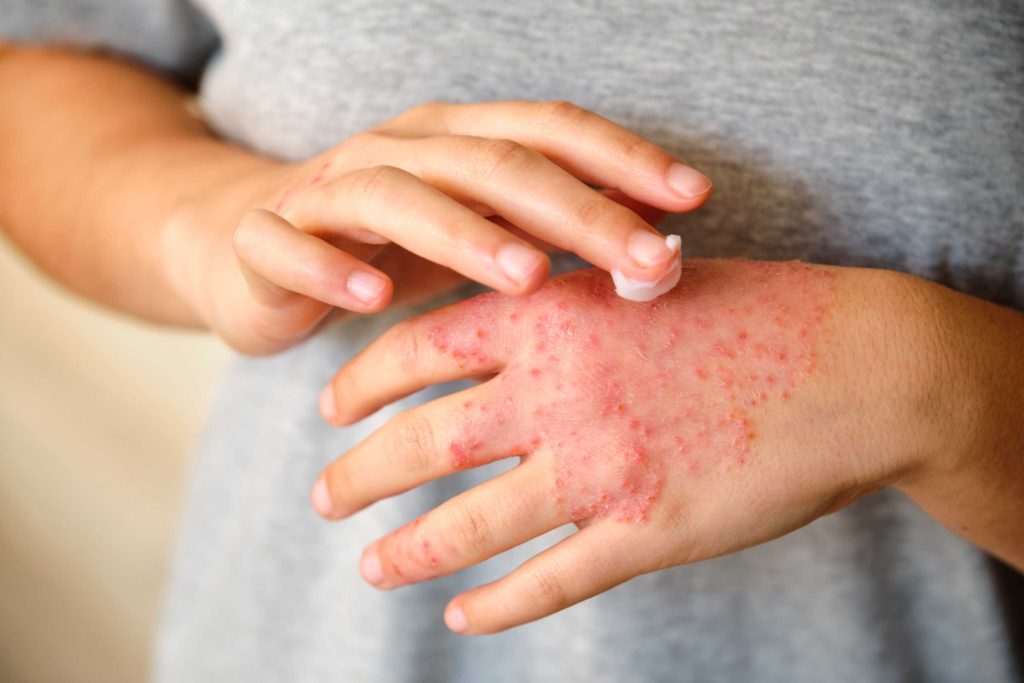
Shingles often starts with tingling, burning or pain in a band on one side of the body. A few days later, a blistering rash usually appears in the same area. It commonly affects the chest, back or abdomen, although it can also appear on the face or near the eye. A rash affecting both sides of the body is unlikely to be shingles.
Early Warning Signs Before the Rash Appears
Shingles can cause symptoms before the rash becomes visible. Early signs may include:
- Localised pain in one area of the body.
- Itching or a burning sensation on the skin.
- Tingling or unusual sensitivity in the affected area.
- Headache.
- Feeling generally unwell.
If you notice these symptoms, particularly in one specific area, it is worth getting medical advice rather than waiting for a rash to appear. Early assessment gives shingles treatment the best chance of working effectively.
Why the First 72 Hours Matter
Antiviral medicine is most effective at reducing the severity and duration of shingles when started within 72 hours of the rash appearing, according to NICE guidance. Treatment can still be considered after this point in higher-risk cases, particularly when new blisters are still appearing. This is why it is worth getting assessed as soon as possible rather than waiting to see whether the rash settles by itself.
Can a Pharmacist Treat Shingles?
Yes. Through NHS Pharmacy First, pharmacists can assess adults aged 18 and over with a suspected shingles rash and prescribe antiviral tablets directly, provided you present within 72 hours of the rash starting, or up to a week in higher-risk cases. This is one of the fastest ways to get shingles treatment fast, since most pharmacies offer same-day, walk-in assessment in a private consultation room.
When You’ll Be Referred to a GP Instead
Pharmacy First does not cover everyone. You will usually be referred on if you are under 18, pregnant, have a rash near your eye, have a severely weakened immune system, or have a rash affecting more than one area of the body. These situations may need further assessment or specialist care.
At a Glance: Self-Care, Pharmacy or Urgent Care?
Knowing when to seek pharmacy advice or urgent care can help you get the right treatment without unnecessary delay.
| Situation | What To Do |
|---|---|
| Mild rash, first noticed today | Book a pharmacy consultation now; antivirals work best within 72 hours |
| Rash near the eye or affecting vision | Seek urgent same-day care; this needs specialist assessment |
| Under 18, pregnant or severely immunosuppressed | See your GP or call NHS 111 rather than Pharmacy First |
| Rash healed, but nerve pain continues | Speak to your pharmacist or GP about post-herpetic neuralgia |
Get Fast Shingles Treatment at Anna Pharmacy
You do not need a GP appointment or referral. Visit any of our three branches, in Carshalton, Sutton or Hackbridge, where a pharmacist can assess your rash and prescribe antiviral treatment the same day if it is clinically appropriate. With the first 72 hours being particularly important, it is better to get checked early rather than wait for the rash to clear on its own. Book your shingles consultation with Anna Pharmacy now and get assessed promptly.
Medical disclaimer: this article is for general information only and is not a substitute for personalised medical advice. Pharmacy First eligibility depends on clinical assessment at the time of your visit, and treatment is not guaranteed for every case. Seek urgent same-day advice if a shingles rash affects your eye or vision, and contact NHS 111 or emergency care if your symptoms are severe or you are unsure what to do.
Frequently Asked Questions
Q. How do I know if it’s shingles?
Ans. The strongest clue is a painful, tingling or burning band on just one side of your body, followed a few days later by a cluster of fluid-filled blisters in that same area. A rash on both sides at once is unlikely to be shingles.
Q. Can a pharmacist prescribe shingles treatment?
Ans. Yes. Through Pharmacy First, pharmacists can assess and prescribe antiviral tablets for shingles in adults aged 18 and over, without needing a GP appointment, as long as you’re seen within the appropriate time window.
Q. What happens if I miss the 72-hour window?
Ans. Antivirals are most effective within 72 hours, but treatment can still be considered up to a week after the rash appears, particularly if you’re older, immunosuppressed, or still developing new blisters. It’s always worth getting assessed rather than assuming it’s too late.
Q. Is shingles contagious?
Ans. Not in the way chickenpox is. You cannot pass shingles itself to someone else, but the fluid in the blisters can cause chickenpox in anyone who hasn’t had it or the vaccine, so avoid close contact with pregnant women, newborns and anyone with a weakened immune system until the rash has crusted over.
Q. Can I get vaccinated against shingles?
Ans. The NHS shingles vaccine is available free to adults turning 65, those aged 70 to 79, and anyone aged 18 and over with a severely weakened immune system. It significantly reduces both the risk of shingles and the severity of any case that does occur.
Q. What complications can shingles cause?
Ans. The most common is post-herpetic neuralgia, ongoing nerve pain after the rash has healed. Less commonly, shingles near the eye can threaten vision, and shingles affecting the ear can cause facial weakness or hearing problems, known as Ramsay Hunt syndrome. Early treatment reduces these risks.